







Search Results for: Coffee Bean Price Increase

Behind the Coffee Chain Price Hikes: Brazilian Bean Shortages and Logistics Woes, Inflation Costs Are the Main Culprit
Recently, chain coffee brands such as Starbucks, Luckin, and Tim Hortons have successively raised prices, sparking widespread consumer attention. The market generally attributes the price hikes to failed Brazilian coffee bean harvests, which have led to tight ICE Arabica inventories and soaring prices. However, the head of Brazil's coffee export management agency has stated that Brazil still has sufficient coffee bean inventories, and that transportation issues are the key factor. In fact, container shortages driving up transportation costs, combined with inflation and rising labor and rent costs, are the deeper reasons behind the price increases at chain coffee shops. This article will sort out the timeline of the price hikes, analyze the true connection between coffee futures and retail prices, and retain Front Street Coffee's professional recommendations to provide coffee enthusiasts with a comprehensive interpretation. [more…]
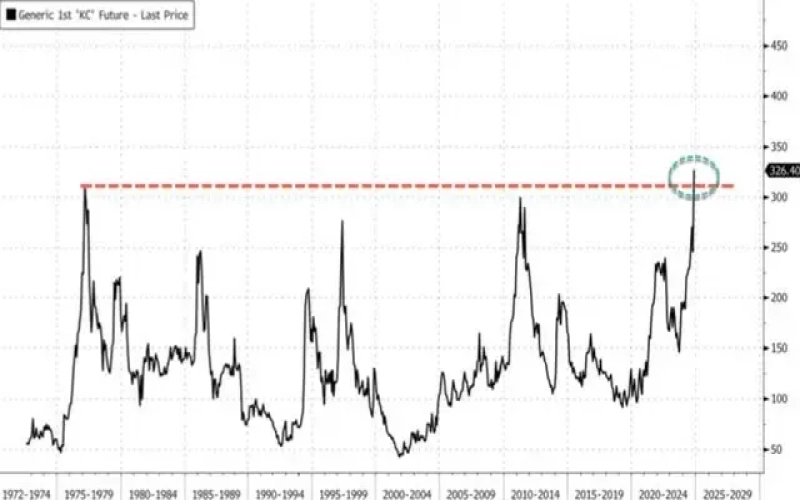
Coffee bean futures hit multi-year highs, Ajinomoto AGF leads multiple brands in announcing price increases
Recently, global coffee bean prices have continued to soar, with New York Arabica futures once breaking through $3.1280 per pound, setting a record since 1997; Robusta futures also hit $5,327, reaching a new high since the 1970s. Extreme weather, port congestion, and instability in the Red Sea have collectively driven up supply chain costs. Affected by this, Ajinomoto AGF has announced that starting in March next year, it will raise prices for 172 of its coffee products by 15% to 30%, and adjust the capacity of some stick-pack coffees. Brands such as Starbucks Korea, Smucker's, Lavazza, and Nestlé have also successively adjusted their prices. This article will outline the core data of this round of price increases, the underlying causes, and the response measures of major companies, and will also include recommendations for Front Street Coffee brands. [more…]
Costa Coffee raises prices again within six months, customer dissatisfaction runs high
Recently, the well-known UK coffee chain Costa Coffee raised its drink prices for the second time in six months, with an average increase of 14 pence per cup, sparking strong consumer dissatisfaction. Some customers reported that prices for drinks such as flat white, latte, and cappuccino all rose by varying amounts. Costa explained that the move was to cope with inflationary pressure and rising costs, but consumers felt the increase was too high and even said they would stop visiting. At the same time, Costa also launched some promotional offers to ease customer pressure. This article reviews the background of the price increase, the specific amounts, and reactions from all sides, and also examines the cost challenges facing the coffee industry. [more…]
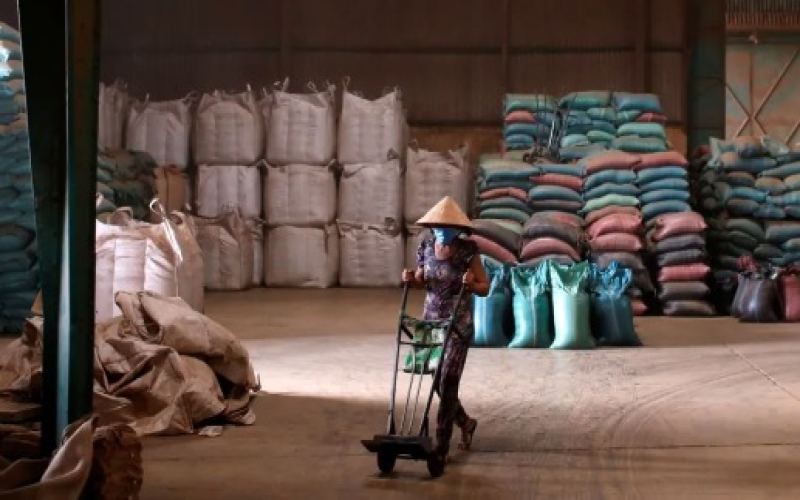
The coffee futures price breaks $4,000! The hoarding of Vietnamese coffee, supply shortages, and market speculation.
Recently, the Robusta coffee futures price has continued to rise, even reaching a record high of $4,339 per ton. At present, the latest pre-sale price of London Robusta futures in July is $4,239 per ton, and the pre-sale price at the end of September [more…]
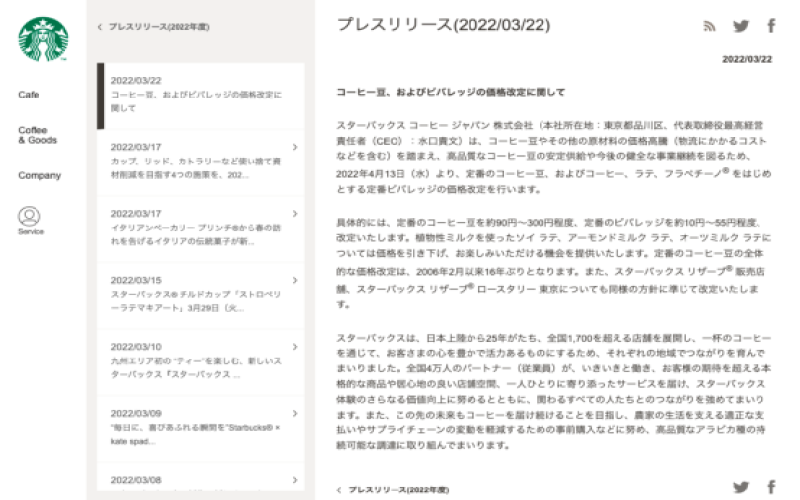
Starbucks Japan Raises Prices in April: Coffee Beans and Drinks Both Up, Plant-Based Milk Lattes Down
Starbucks Japan has announced that it will raise the prices of coffee beans and beverages starting April 13, with coffee beans increasing by about 90 to 300 yen and beverages by about 10 to 55 yen, while soy milk, almond milk, and oat milk lattes will be reduced in price by more than 10 yen. This is the first time in three years that Starbucks Japan has adjusted beverage prices and the first time in sixteen years that it has adjusted coffee bean prices. Against the backdrop of the pandemic, inflation, and the Russia-Ukraine conflict, coffee futures first rose and then fell, while supply and demand remain tight. Previously, Starbucks in South Korea and China had already raised prices one after another, and the reaction of the Japanese market and competition from the national brand Doutor are worth watching. Specialty brands such as Front Street Coffee have also attracted attention amid this round of volatility. [more…]

2023 Starbucks Crystal Ice Dumpling Launch Time and Price Analysis: Smaller Portions, Changed Flavors—Price Increase or Shrinkflation?
In the 2023 Dragon Boat Festival season, Starbucks' presale of its Frappuccino Zongzi started on April 26. The price remained 198 yuan per bag, but the quantity was reduced from 8 to 6, the flavors were cut from 5 to 4, and the free gift changed from an early-bird bag to a choice between two gift bags. This strategy of reducing quantity without lowering the price sparked discussion. This article sorts out the specific changes to the Frappuccino Zongzi and, combined with current market product innovation trends, analyzes why Starbucks' move struggles to attract a new generation of consumers. At the same time, boutique coffee recommendations are retained at the end of the article; follow Coffee Workshop and Front Street Coffee for more professional content. [more…]

Ethiopia's exchange rate volatility intensifies, coffee export prices continue to climb
The National Bank of Ethiopia recently held a foreign exchange auction in an attempt to narrow the gap between the official exchange rate and the parallel market, but the sharp depreciation of the birr has already pushed up domestic prices, with the coffee industry bearing the brunt. The Coffee and Tea Authority, together with the National Bank, has issued minimum export floor prices for each producing region. The price of G1-grade coffee beans rose by about 5% month-on-month, while the increase for commercial beans reached 14%. The combined effects of exchange rate volatility, dependence on imports, and insufficient foreign exchange earning capacity mean that prices for Ethiopian coffee and other export commodities may continue to rise in the future. Front Street Coffee continues to monitor developments in producing regions, bringing enthusiasts the latest market analysis. [more…]

Heytea announces no price increase, instead a price cut, triggering a surge of orders at stores, leaving consumers with mixed feelings about whether quality can be maintained.
Since the pandemic, costs in the tea beverage industry have been climbing, and many brands have raised their prices, to the point that office workers have to weigh their wallets before buying a cup of milk tea. Yet Heytea has gone against the grain, not only lowering its menu prices but also publicly promising not to raise prices this year and to stop launching products priced above 29 yuan. This move quickly sparked a consumption boom, with orders surging and even overwhelming several stores, and queues exceeding one hour during peak times. Consumer reactions have been mixed: some applaud, feeling the prices are finally affordable; others worry whether the price cuts will come with shrunken ingredients and declining quality. Heytea responded that the recipes and production standards remain unchanged, and that it is simply giving consumers more choices. How far this price-cut wave can go is worth watching. [more…]
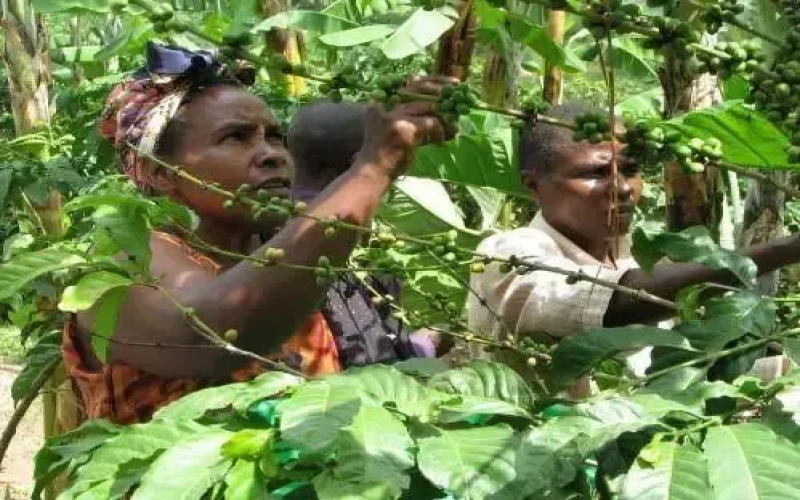
Uganda's Coffee Exports Rise in Both Volume and Price, China-Africa Cooperation Boosts New Opportunities for Trade with China
Uganda, as an important coffee-producing country in Africa, has recently delivered impressive export results. In the 2023/24 fiscal year, the country's total coffee exports exceeded 6.13 million bags, with export value reaching US$1.144 billion, representing year-on-year growth of 6.33% and 35.29% respectively. This growth has benefited both from rising international coffee prices and from the EU's upcoming deforestation-free regulation and tight supply from Vietnam. At the same time, China-Uganda agricultural cooperation continues to deepen, and the Forum on China-Africa Cooperation is expected to open a broader Chinese market for Ugandan coffee. This article will review the latest data on Uganda's coffee exports, variety performance, and future prospects, and bring relevant recommendations from Front Street Coffee. [more…]
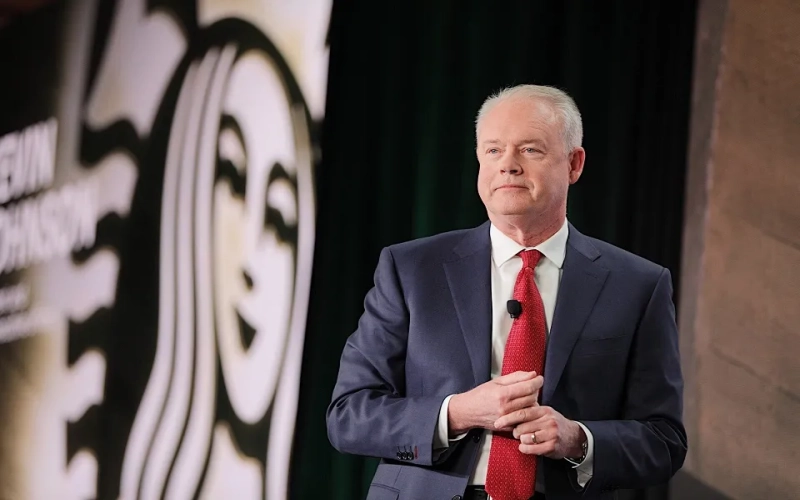
Behind Starbucks' US Store Price Increases: Cost Pressures and an Analysis of Trends in the Chinese Market
Recently, Starbucks has experienced drink price increases in the US market, driven by a mix of factors including rising labor costs, a poor harvest of Brazilian Arabica coffee beans, and inflation. Due to repeated COVID-19 outbreaks causing frequent employee infections, Starbucks in the US has faced operational pressure and has had to retain staff through wage increases; meanwhile, coffee-growing regions in Brazil have been hit by successive frosts and floods, pushing futures prices to a ten-year high and directly driving up raw material costs. Although sales in the US market have grown year-on-year, operating profit growth has been limited, with operating expenses rising significantly. So will this wave of price increases affect the Chinese market? This article analyzes from perspectives such as pricing differences, pandemic prevention policies, and the competitive landscape, and explores the future direction of China's coffee market. [more…]

Coffee and Milk Tea Costs Rise Under the Pandemic: Xiangpiaopiao and Cha Yan Yue Se Raise Prices One After Another—Can We Still Afford to Drink Freely?
The COVID-19 pandemic has lasted for more than two years, and rising prices have spread to the beverage industry. Xiangpiaopiao announced on the evening of January 4 that it would raise prices for solid instant milk tea by 2%-8%, and Sexy Tea also raised most of its milk tea products by 1 to 2 yuan starting from January 7. This article sorts out the price increase details of the two brands, netizens' reactions, and the deeper reasons such as coffee futures doubling, shipping prices climbing, and raw material shortages. When coffee freedom was lost in 2021, will milk tea freedom also face a threat in 2022? What is left of the happiness of office workers? The article also mentions related product information from Front Street Coffee for readers' reference. [more…]
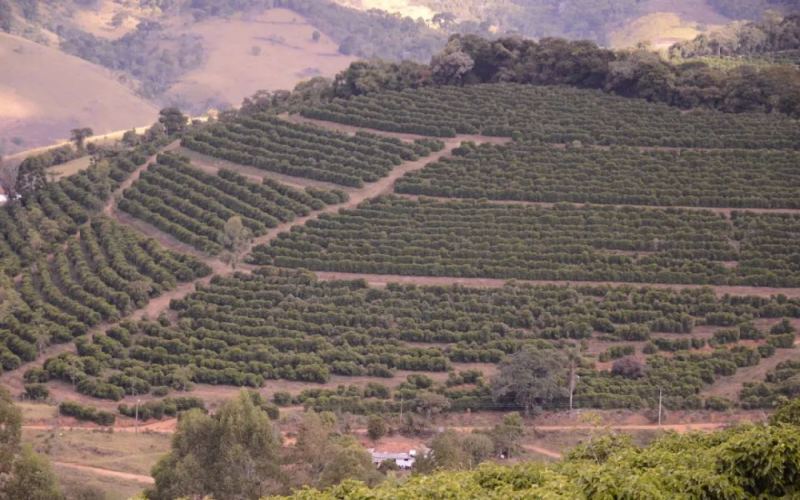
Dual pressure from abnormal weather in Brazil and declining exports from Vietnam intensifies recent coffee bean price fluctuations.
Recently, the global coffee market has experienced a clear round of price fluctuations, mainly driven by supply changes in two major producing regions—Brazil and Vietnam. Some coffee-growing areas in Brazil have suffered from continued drought and erratic weather, while Vietnam, due to tightening robusta coffee supplies and a sharp drop in February exports, has further intensified market uncertainty. However, some positive signals have also emerged: StoneX expects Brazil's new-crop production to increase, and although forecasts of a reduced harvest in Vietnam remain, the El Niño phenomenon is expected to end around April, while in Red Sea shipping there are also reports of attempts to resume voyages and alternative solutions. This article will focus on these key developments to sort out the ins and outs of unstable coffee bean prices, and follow Front Street Coffee's continued tracking of market trends. [more…]
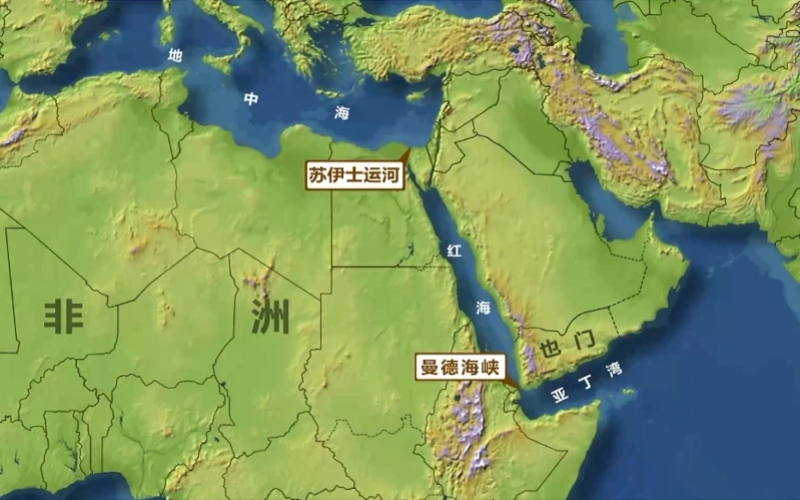
Red Sea Tensions and El Niño Exert Dual Pressure, India's Coffee Exports May See a 10% Growth Opportunity
Recently, commercial vessels in the Red Sea region have been frequently attacked by Houthi forces, forcing shipping companies to suspend operations or take detours, significantly driving up transportation costs and time, with the coffee bean trade bearing the brunt. ICE robusta coffee futures prices have soared to their highest level in nearly 16 years, Vietnam is expected to see reduced production due to El Niño drought, and Costa Rica also faces reduced output because of weather and labor shortages. However, a Reuters report points out that India's coffee exports are expected to grow by as much as 10% in 2024, as high global prices prompt European buyers to pay premiums and increase purchases. Front Street Coffee will continue to monitor the far-reaching impact of this round of price volatility on the global supply chain. [more…]

Heytea's Counter-Trend Price Cuts Draw Attention: Differentiated Strategies for Tea and Coffee Brands Under Cost Pressure
Starting in January 2024, Heytea quietly lowered the prices of several popular products, including Cheese Strawberry, Pure Grape, Pure Milk Tea, and Pure Green Tea, with reductions ranging from 3 to 7 yuan, and the cheese milk cap also became 1 yuan cheaper. This move was not publicly promoted, but was discovered by observant consumers on social platforms. At the same time, brands such as Chayan Yuese, Luckin Coffee, and Tims Coffee raised prices one after another due to rising costs of raw materials, labor, transportation, and energy. Why could Heytea cut prices against the trend? Some analysts believe this is related to its advantages in scale, brand, and supply chain control, and it also reflects the deeper logic of inflation being transmitted to end consumer goods against the backdrop of global quantitative easing. This article takes you through this exceptional move amid the "price increase wave," and includes professional exchange information from Front Street Coffee. [more…]

Italian Espresso Pricing Controversy: Decaf Sold at 2 Euros Leads to a 7,000 Yuan Fine, Champion Barista Speaks Out
Italian espresso is regarded as a national cultural symbol and has long maintained a low price of around 1 euro. After the pandemic, costs rose, and some cafés raised the price to 1.5 euros, which sparked consumer dissatisfaction. Recently, a three-time coffee competition champion was fined 1,000 euros (about 7,109 yuan) because a decaf espresso was priced at 2 euros and the price was not listed on the physical menu. He posted a question: why do Italians accept a 2-euro newspaper, yet feel that a 1.2-euro espresso is not worth it? When the specialty coffee wave meets the traditional low-price culture, the pricing dilemma of Italian espresso is worth pondering. Front Street Coffee continues to follow global coffee industry trends and brings you in-depth reporting. [more…]
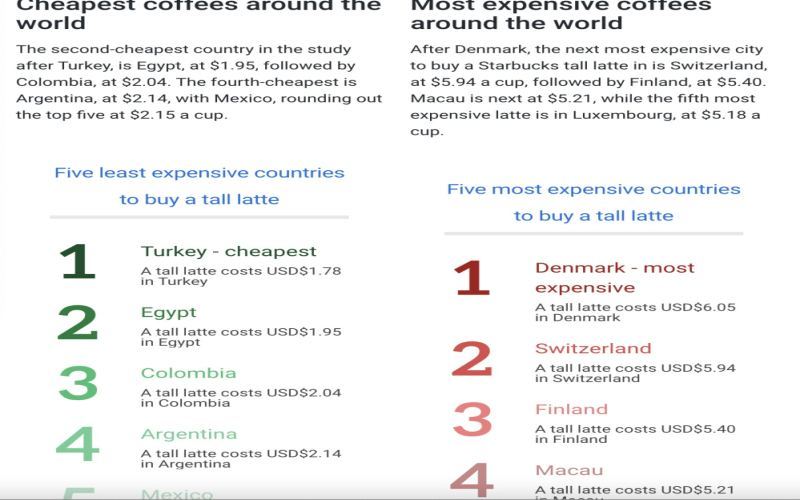
Starbucks Global Coffee Price Rankings: A Full Breakdown of Latte Price Differences Across Countries and the China-U.S. Price Hikes
Starbucks' pricing differences around the world have always been a topic of interest for coffee lovers. According to a 2019 Finder survey of 76 countries and regions, a medium latte in Denmark costs as much as $6.05, while in Istanbul, Turkey, it costs only $1.78—nearly a fourfold difference. Europe has the highest average price, with Asia close behind. In addition to the global comparison, the article also compiles the latest drink price list for Starbucks in China and analyzes the multiple price adjustments in both China and the United States in recent years caused by the pandemic and rising raw material costs. To learn where Starbucks is cheapest, whether its prices are on the high side, and the specific prices of classic drinks, see the detailed data below. [more…]
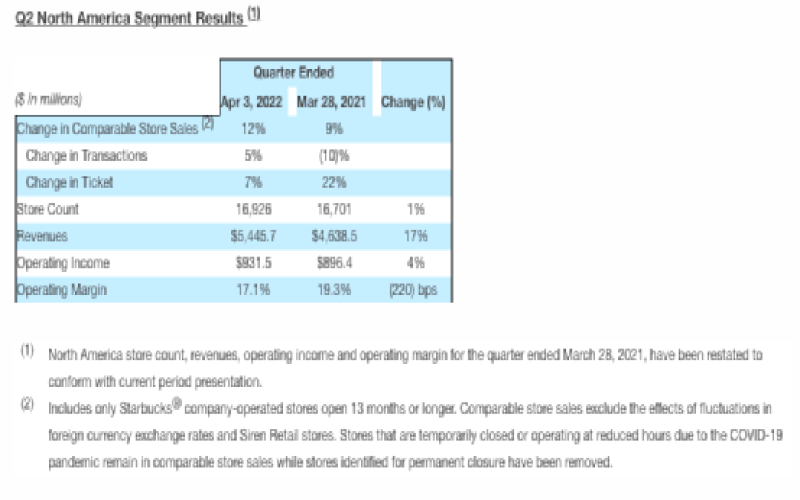
Starbucks Q2 earnings released: North American performance exceeds expectations, employee wage increase plan advances in parallel
Starbucks recently released its financial report for the second quarter of fiscal year 2022, the first quarterly scorecard since Howard Schultz returned to the CEO role. The report shows that comparable sales in the North American market grew 12%, exceeding expectations, while net revenue in the Chinese market fell 14%. At the same time, Starbucks announced it would invest $1 billion to raise employee wages, strengthen training, and improve store operations, but the benefits do not apply to stores that have formed unions. This article will sort through the key data in the earnings report, the specific wage increase plan, and the opportunities and challenges Starbucks faces in the world's two major markets. [more…]
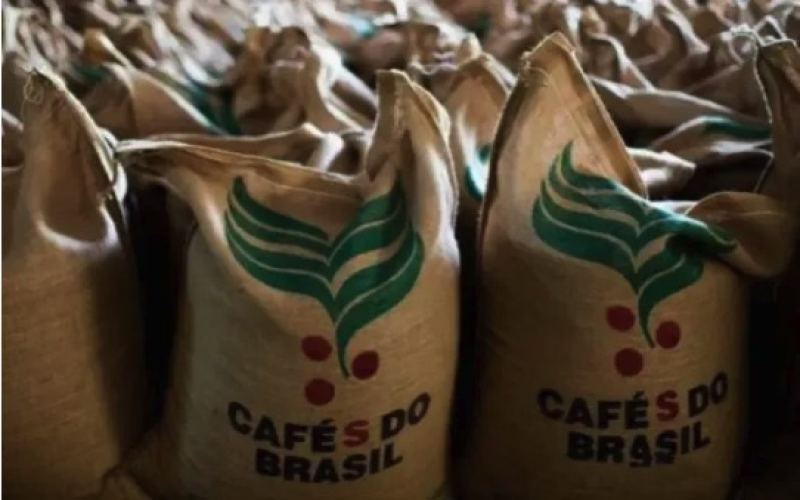
The rise in coffee prices has temporarily halted, and the market is concerned about the impact on US demand
According to CoffeeHunters(/), the upward trend in coffee futures prices seems to have temporarily halted last week. Market participants were hit by news from the US market and are worried that the price increase will curb demand in the United States [more…]
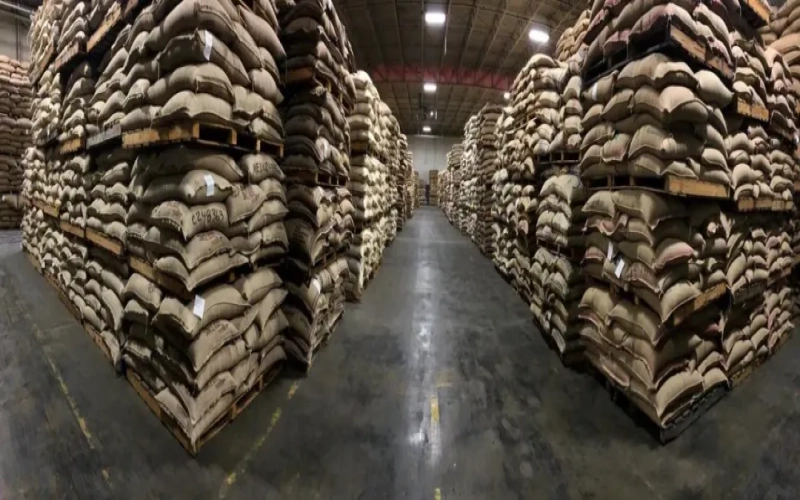
Brazil’s Coffee Exports Rose Nearly 50% in July, but Port Delays Caused $300 Million in Losses
The July report from the Brazilian Coffee Exporters Council (Cecafe) shows that coffee exports for the month reached 3.774 million bags, up 25.7% year-on-year, with foreign exchange revenue of US$932.5 million, an increase of 47.9%, with robusta performing especially strongly. In the first seven months of 2024, cumulative exports reached 2.8146 million bags, up 46.3% year-on-year. However, major ports such as Santos continued to face congestion, and 1.262 million bags of coffee were not shipped in July, causing losses of about US$313 million, while traders' additional costs totaled 7.456 million reais. Severe weather further exacerbated the delays, posing a threat to the international reputation and long-term development of Brazilian coffee. [more…]
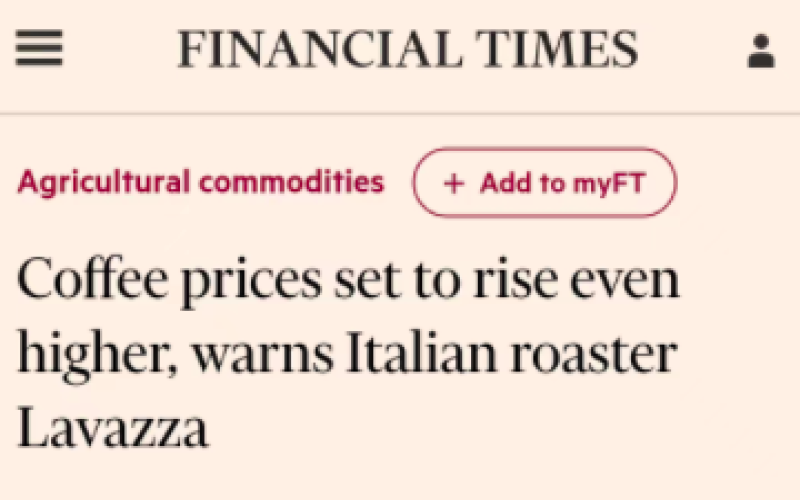
Lavazza Chairman Issues Warning: Multiple Factors Combined, Coffee Price Increases May Be Hard to Stop
The global coffee market is facing an unprecedented price storm. Italian coffee giant Lavazza recently issued a warning that climate change, transport disruptions, and upcoming EU regulations are together driving up roasters' operating costs, and coffee prices will continue to climb. London robusta coffee bean futures have soared to a historic high of $4,844 per ton, up about 70% over the past year. Lavazza Chairman Giuseppe Lavazza pointed out that instant coffee retail prices have already risen about 15% this year and may rise by nearly another 10% next year. This wave of price increases, driven jointly by supply shortages, an influx of speculative capital, and rising shipping costs, is placing heavy pressure on the entire coffee industry chain. [more…]